



























Heart Attack: Early Warning Signs and Prevention Tips
A heart attack, also known as myocardial infarction, is a serious medical emergency that occurs when blood flow to the heart muscle is blocked. Recognizing the early warning signs and taking preventive measures can save lives and reduce the risk of long-term heart damage.
Understanding Heart Attacks
Heart attacks occur when one or more coronary arteries are blocked due to the buildup of plaque (cholesterol deposits) or blood clots. This restricts oxygen supply to the heart muscle, leading to tissue damage. Immediate medical attention is critical to restore blood flow and minimize complications.
Early Warning Signs of a Heart Attack
Being aware of the early symptoms can help you act quickly. Common warning signs include:
- Chest discomfort or pain: Pressure, squeezing, or fullness in the center of the chest.
- Shortness of breath: Difficulty breathing, often accompanied by chest discomfort.
- Pain in other areas: Pain may radiate to the arms, back, neck, jaw, or stomach.
- Cold sweats, nausea, or lightheadedness: Unexplained sweating or dizziness.
- Fatigue or weakness: Sudden tiredness without obvious reason.
Risk Factors for Heart Attacks
Certain lifestyle and medical factors increase the risk of heart attacks:
- High blood pressure (hypertension)
- High cholesterol levels
- Diabetes
- Smoking and tobacco use
- Obesity or being overweight
- Physical inactivity
- Family history of heart disease
- Excessive stress
Prevention Tips to Protect Your Heart
Preventive measures can significantly reduce the risk of a heart attack:
- Maintain a healthy diet rich in fruits, vegetables, whole grains, and lean proteins.
- Exercise regularly for at least 30 minutes a day, 5 times a week.
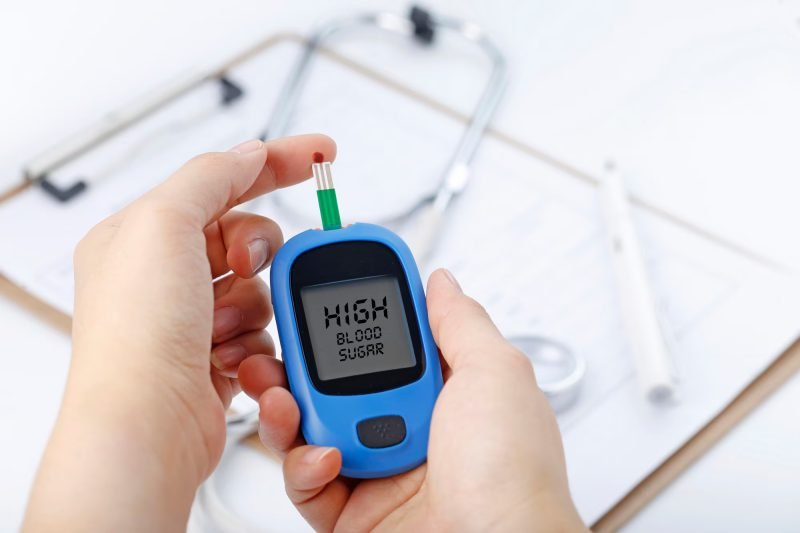
- Monitor blood pressure, cholesterol, and blood sugar levels regularly.
- Avoid smoking and limit alcohol consumption.
- Manage stress through meditation, yoga, or relaxation techniques.
- Maintain a healthy weight and get adequate sleep.
Immediate Actions During a Heart Attack
If you or someone around you shows signs of a heart attack:
- Call emergency services immediately (in India: 108).
- Chew and swallow an aspirin if not allergic, unless advised otherwise.
- Stay calm and rest while waiting for medical help.
- Do not drive yourself to the hospital.
Conclusion
Early recognition and prompt treatment are crucial in managing heart attacks. Adopting a heart-healthy lifestyle and regular medical check-ups can significantly reduce your risk. At Sri Banashankari Hospital, Bangalore, our expert cardiology team provides advanced care, preventive guidance, and life-saving interventions to ensure your heart stays healthy.



 No. 1, Akshya Towers, Basavanapura, Bannerghatta Main Road, Opp. Jain Ashreya Apartment, Bengaluru - 560068
 Book an Appointment
