


























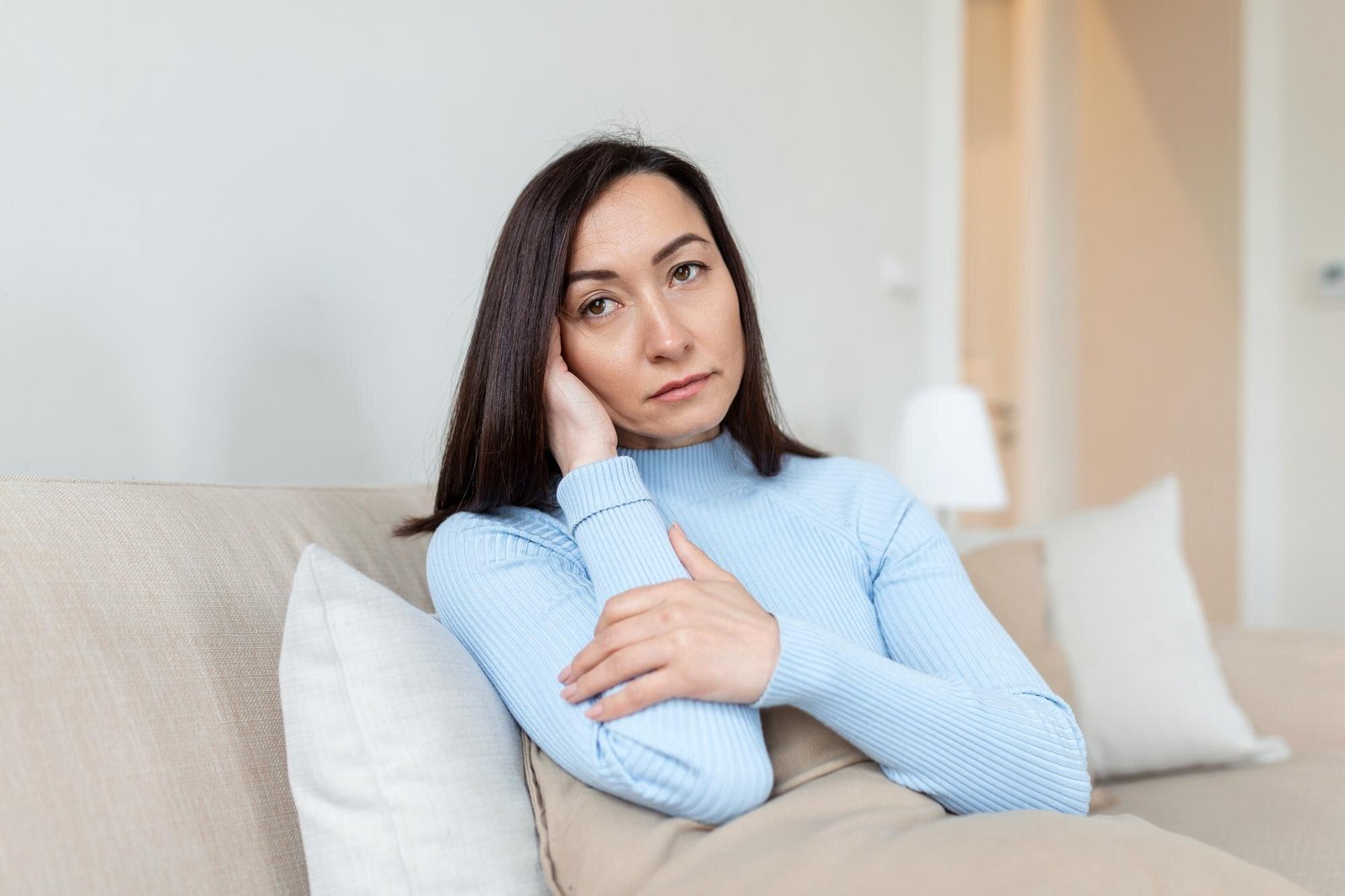
Menopause: Symptoms, Management, and Lifestyle Tips
Menopause is a natural biological process marking the end of a woman’s menstrual cycles, usually occurring between the ages of 45 and 55. While it is a normal phase of life, it can bring various physical and emotional changes. Understanding the symptoms and management strategies helps women navigate this transition with confidence and maintain overall health.
What is Menopause?
Menopause is defined as the absence of menstruation for 12 consecutive months due to a decline in ovarian hormone production, particularly estrogen and progesterone. This hormonal shift can lead to various physiological and emotional changes.
Common Symptoms of Menopause
Women may experience a range of symptoms during menopause, which vary in intensity and duration. Common symptoms include:
- Hot flashes and night sweats
- Irregular periods leading to complete cessation
- Mood swings, anxiety, or irritability
- Sleep disturbances and fatigue
- Vaginal dryness and discomfort
- Changes in libido
- Weight gain and slowed metabolism
- Bone density loss leading to osteoporosis
Management Strategies for Menopause
1. Hormone Replacement Therapy (HRT)
HRT can help relieve severe menopausal symptoms such as hot flashes, night sweats, and vaginal dryness. It involves the use of estrogen alone or a combination of estrogen and progesterone under medical supervision.
2. Non-Hormonal Medications
For women who cannot take HRT, non-hormonal medications may help manage mood swings, sleep disturbances, and bone health. Your gynaecologist can recommend suitable options based on your health condition.
3. Lifestyle and Dietary Modifications
- Maintain a balanced diet rich in calcium, vitamin D, and protein to support bone health
- Engage in regular exercise, including strength training and aerobic activities
- Practice relaxation techniques like yoga, meditation, or deep breathing
- Stay hydrated and limit caffeine and alcohol intake
- Get regular medical check-ups and screenings for bone density, heart health, and overall wellness
When to Consult a Gynaecologist
If menopausal symptoms interfere with daily life, or if you experience unusual symptoms such as excessive bleeding, severe mood changes, or unexplained pain, it is important to consult a gynaecology specialist. Early intervention can help manage symptoms effectively and prevent long-term complications.
Conclusion
Menopause is a natural phase of life that requires awareness and proactive care. At Sri Banashankari Hospital, Bangalore, our experienced gynaecologists provide personalized care, management strategies, and lifestyle guidance to help women navigate menopause comfortably and maintain optimal health.




 No. 1, Akshya Towers, Basavanapura, Bannerghatta Main Road, Opp. Jain Ashreya Apartment, Bengaluru - 560068
 Book an Appointment
